
Lodges for Sale in Yorkshire: A Guide to Lodge Ownership & Value

Updated: Sep 7
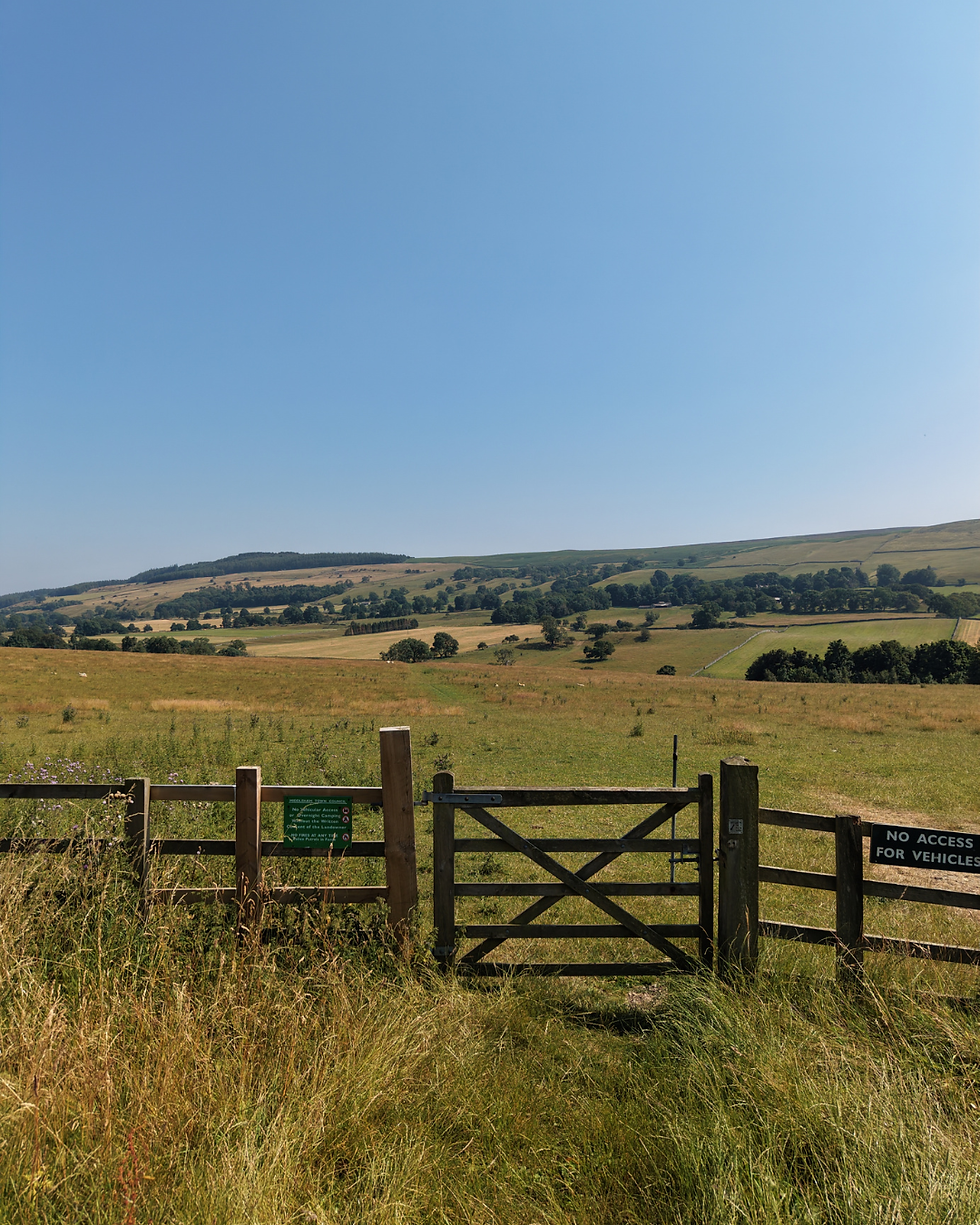
Yorkshire has long been one of the UK’s most desirable places to slow down. From rolling countryside and market towns to rugged moorland and dramatic coastlines, it offers a lifestyle that feels a world away from everyday routine — without being hard to reach.
It’s no surprise, then, that more people are searching for lodges for sale in Yorkshire.
But lodge ownership isn’t just about buying a holiday home. Done properly, it’s about investing in time, wellbeing and a lifestyle that works for you — whether that means spontaneous weekend escapes, longer stays or having somewhere the whole family can return to year after year.
So, what makes lodge ownership particularly appealing in Yorkshire? For many owners, it’s the ability to enjoy regular Yorkshire countryside getaways without having to search for accommodation, pack everything from scratch or plan months in advance. Your lodge is already there, giving you the freedom to make much more of your weekends and leisure time.
At At Your Leisure, we work across Yorkshire with carefully selected parks and manufacturers, helping buyers understand what lodge ownership really looks like — beyond the brochure photos. This guide breaks it all down.

Why Yorkshire Is One of the Best Places to Buy a Holiday Lodge
Yorkshire offers something few regions can match: variety.
Within a couple of hours’ drive, you can be:
Walking in the Yorkshire Dales
Exploring historic market towns
Enjoying countryside pubs and restaurants
Discovering some of Yorkshire's best-known visitor attractions
Or simply switching off somewhere peaceful and green
For lodge buyers, that variety matters. It means Yorkshire works just as well for couples looking for quiet escapes as it does for families wanting space and fresh air or buyers planning longer stays as they approach retirement.
But one of the biggest lodge ownership benefits is something much simpler: spontaneity.
When you've booked a cottage, hotel or holiday rental, going away usually requires planning. You need to find availability, compare prices, book your accommodation and pack everything you might need.
Owning your own lodge changes that.
If Friday afternoon arrives and the weekend forecast looks brilliant, you can decide to go. Your clothes, toiletries and other essentials can already be waiting for you, so there’s far less packing involved.
For owners who live within easy reach of their park, this can turn a holiday lodge into somewhere they use regularly rather than somewhere reserved for one or two big holidays each year.
Season length matters here too. Many Yorkshire holiday parks operate for much of the year, allowing owners to enjoy everything from summer evenings on the decking to crisp autumn walks and cosy winter weekends.
Always check the exact opening season and holiday-use conditions of an individual park before buying, as these vary.
What Does “Lodge Ownership” Actually Mean?
One of the biggest misconceptions we see is that buying a lodge is like buying a house — or, at the other extreme, like booking a holiday.
In reality, lodge ownership sits somewhere in the middle.
When you buy a lodge:
You own the holiday home itself
It is sited on a licensed holiday park
You pay an annual pitch or site fee for the plot, services and park facilities
Usage is for holiday and leisure purposes rather than as your permanent residential address
Many parks in Yorkshire offer long seasons, making lodges suitable for frequent holiday use throughout much of the year.
However, a long or even 12-month season does not automatically mean residential use is permitted. Holiday parks will have their own licence and planning conditions, so always establish exactly how the lodge can be used before purchasing.
What Types of Lodges Are for Sale in Yorkshire?
The lodge market has evolved massively over the last decade. Today’s holiday lodges are designed to feel like real homes — just without the pressure.
1. Luxury Lodges
These are a popular option for buyers looking at lodges for sale in Yorkshire.
Features can include:
Residential-style kitchens
Open-plan living areas
Vaulted ceilings
Bi-fold or French doors
En-suite bedrooms
Hot tubs
Large areas of decking
Premium countryside or waterside plots
They’re ideal for buyers who want comfort, space and a premium feel — particularly for longer stays.
2. Countryside & Waterside Lodges
The setting can be every bit as important as the lodge itself.
Some buyers prioritise open countryside, woodland or waterside views and deliberately choose parks with peaceful, low-density layouts.
These plots often focus on:
Views and outdoor space
Generous decking
Privacy
Peaceful surroundings
Easy access to walking and the countryside
They're particularly well suited to buyers who see their holiday home as somewhere to properly switch off.
3. Family-Friendly Lodges
Some parks cater more towards families, with facilities, events and local attractions adding to the experience.
These lodges tend to prioritise:
Multiple bedrooms
Practical layouts
Good storage
Outdoor space
Easy access to park facilities and nearby attractions
If you're trying to decide whether a lodge or static caravan would suit you better, read our Statics vs Lodges guide here.

How Much Do Lodges for Sale in Yorkshire Cost?
Prices vary considerably depending on:
Lodge size and specification
Manufacturer and build quality
Park location
Plot or pitch
Decking and landscaping
Included extras
Park facilities
As a broad guide, buyers may find:
Entry-level lodges from around £120,000
Mid-range luxury lodges around £150,000–£200,000
High-end, fully specified lodges exceeding £200,000
These figures should only be treated as indicative, as available stock and prices change.
The purchase price also shouldn't be considered in isolation.
A £150,000 lodge with higher annual site fees may cost more to own over several years than a more expensive lodge on a park with lower annual charges. Similarly, a premium plot may cost more but could be worth paying for if the view and outdoor space are central to why you're buying.
This is why assessing lodge value means looking beyond the advertised price.
How to Assess Lodge Value Across Yorkshire Parks
When comparing Yorkshire holiday parks, it’s tempting to simply compare the price of the lodges.
That rarely tells you the full story.
Good value is personal. A park with lots of facilities might represent excellent value for a family that uses them every weekend but poor value for a couple who simply want peace, countryside and somewhere to walk the dog.
Before choosing a park, compare these six areas:
What to compare | Questions to ask |
Site fees | What is the annual fee? What does it include? How and when can it increase? |
Season length | How many months of the year can you use your lodge? Are there any restrictions during the closed period? |
Facilities | What are you actually paying for? Will you regularly use the facilities available? |
Plot type | Is it a standard, premium, countryside or waterside plot? How much privacy and outdoor space do you have? |
Park setting | Is the park quiet or lively? Rural or closer to amenities? Does it match how you want to spend your time? |
Subletting policy | Is subletting allowed? If so, who manages bookings and what fees or restrictions apply? |
You should also consider the remaining licence period, park rules, future site fees and the overall quality of the park.
Think About Value Per Use
There's another simple way to think about the value of Yorkshire lodge ownership: how much will you actually use it?
Imagine two buyers purchase similar lodges.
One visits for five weekends each year.
The other visits twice a month, spends longer periods there during the summer and uses it for Christmas, birthdays and family weekends.
Their purchase price might be identical, but the lifestyle value they receive from ownership is completely different.
That's why we encourage buyers to think less about whether a lodge is objectively "good value" and more about whether they will get good value from it.
Remember That a Lodge Isn't a Traditional Property Investment
Holiday lodges shouldn't generally be purchased with the expectation that they'll increase in value like a residential property.
Lodges can depreciate, and resale values are influenced by factors including age, condition, location, pitch, licence period and demand on the individual park.
When we talk about a lodge investment, we therefore mean an investment in your lifestyle rather than a financial investment.
For the right owner, the return is the weekends away, family time and freedom to escape more frequently.
Why Buyers Choose At Your Leisure
At Your Leisure isn’t a park — and that’s intentional.
We act as a trusted guide between buyers, parks and manufacturers, helping people make informed decisions rather than rushed ones.
Our role includes:
Advice across multiple parks
Honest conversations about costs, fees and usage
Real-world reviews of lodges and manufacturers
Support before, during and after purchase
Because we work closely with parks including Akebar, Kiplin and Thorpe Farm, we understand how different parks suit different buyers — and we'll always tell you if something isn't the right fit.
The aim isn't simply to find you a lodge. It's to help you find the combination of park, pitch and holiday home that makes sense for the way you want to use it.
Things to Consider Before Buying a Lodge in Yorkshire
Buying a lodge should feel exciting — not overwhelming. Before making a decision, there are a few important areas we'd recommend investigating.
Usage & Season Length
How often do you realistically want to visit?
Do you want winter access? Are you hoping to spend Christmas or New Year at your lodge? Some parks have longer seasons than others, so establish exactly when you can and can't use your holiday home.
Pitch Fees & Running Costs
Don't budget solely for the purchase price.
Ongoing costs can include:
Annual site fees: Paid to the park for your pitch and associated services. These vary between parks and plot types.
Electricity and gas: Your usage will depend on how frequently you visit, the lodge and the time of year.
Insurance: You'll need appropriate holiday lodge insurance and should include the annual premium in your budget.
Maintenance: Allow for routine maintenance as well as occasional larger costs associated with the lodge, decking, exterior and appliances.
Hot tub costs: If your lodge has a hot tub, factor in electricity, servicing and maintenance.
Other park charges: Depending on the park, there may be additional charges for services or facilities.
Rather than relying on a generic figure, ask the individual park for an up-to-date breakdown of its fees before you commit to buying.
You should also ask how annual site fees are reviewed so you can consider affordability over the longer term.
Park Atmosphere
Quiet countryside retreat or lively, social park?
Neither is better — but one will suit you more.
Visit the park and spend some time walking around rather than viewing only the lodge. Think about whether you'd enjoy being there on an ordinary November weekend, not just a sunny Saturday in July.
Subletting Rules
If you're considering letting your lodge when you're not using it, establish the rules before buying.
Some parks permit subletting, some restrict it and others don't allow it at all. Where it is permitted, there may also be management fees, booking requirements or restrictions to consider.
Never base your affordability calculations on assumed rental income without understanding the park's specific rules.
Holiday-Use Restrictions
A holiday lodge isn't automatically a permanent home.
Even where a park operates for 12 months of the year, its planning permission and site licence may require lodges to be used exclusively for holiday purposes.
If your long-term plan involves spending significant amounts of time at your lodge, make sure you fully understand these conditions.
Park Management
This is easily overlooked, but it can have a significant impact on your ownership experience.
Look at how well the park is maintained. Are communal areas cared for? Is landscaping kept to a good standard? How easy is it to speak to the team? How does management communicate with owners?
You're not just buying a lodge. You're entering into a long-term relationship with the park it's situated on.
Good park management can therefore be every bit as important as a beautiful lodge.
Is Lodge Ownership Right for You?
Lodge ownership works particularly well for people who:
Value regular time away over occasional holidays
Want a familiar place they can return to
Prefer space, privacy and comfort
Want more spontaneous countryside breaks
Enjoy the idea of becoming part of a park community
Can comfortably accommodate the ongoing costs
It isn't about impulse buying.
It's about finding the right lodge, on the right park, for the right reasons.
Yorkshire Lodge Ownership FAQs
Can You Live in a Lodge Full Time?
A holiday lodge on a licensed holiday park is intended for holiday and leisure use rather than as your permanent residential home.
It's important not to confuse a park having a long or 12-month season with having residential status. The park's planning permission, licence conditions and individual agreement determine how a holiday lodge can be used.
If you're considering buying a lodge in the UK with the intention of spending long periods there, ask the park to explain its holiday-use requirements clearly before you purchase.
What Affects Lodge Value Most?
There's no single factor that determines lodge valuation.
The lodge's age, condition, manufacturer, specification and layout can all affect its value, but so can factors outside the lodge itself.
The park, pitch position, views, annual site fees, remaining licence period and demand for holiday homes on that particular park can all influence what a lodge may be worth.
This is why two similar lodge models on different Yorkshire parks — or even two pitches on the same park — shouldn't automatically be viewed as offering the same value.
And remember: holiday lodges can depreciate, so they should primarily be considered a lifestyle purchase rather than a conventional property investment.
Exploring Lodges for Sale in Yorkshire
If you’re researching lodges for sale in Yorkshire, the best next step is simple: talk to someone who isn’t trying to rush you.
At Your Leisure exists to slow the process down, answer the awkward questions and help you picture what ownership would actually look like for you.
Whether you're comparing different parks, trying to understand ownership costs or ready to view lodges in person, we're here to help you explore your options honestly and without pressure.


Comments